Guide
Climbing walls for children
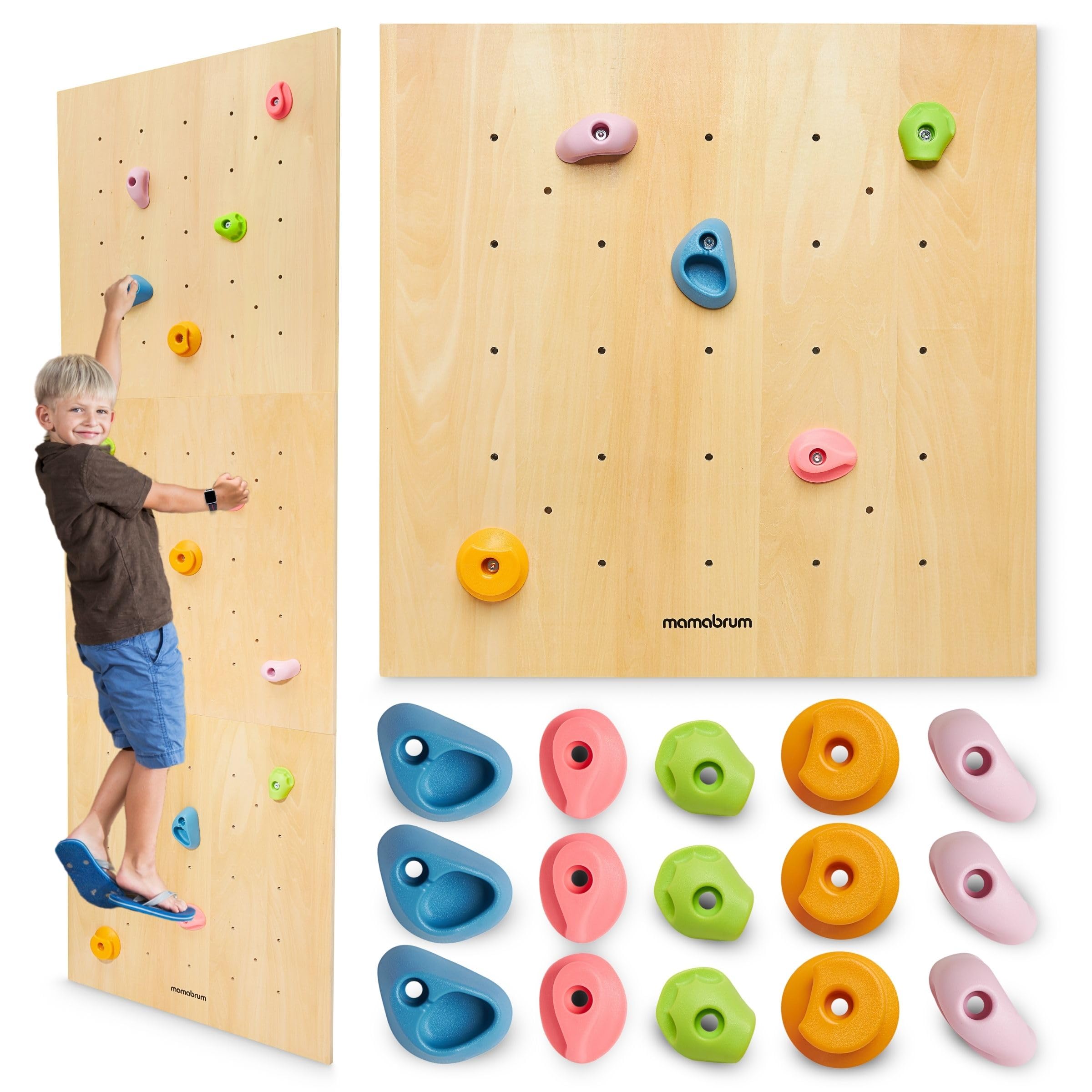
Children's climbing wall Quick and easy – the climbing wall for children Climbing walls are not only a challenge for adults, children can also find fun and action on them. The climbing wall for children is a great way to train…
Discover matching products ↓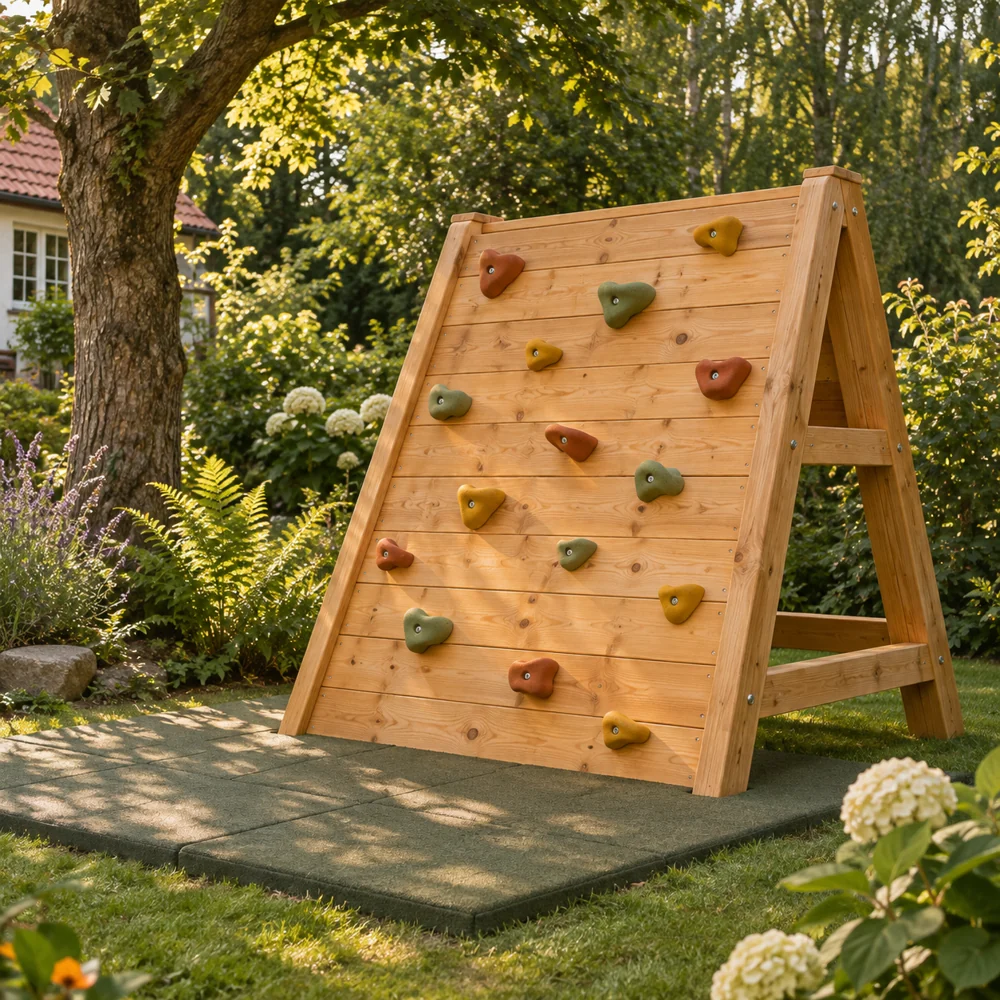
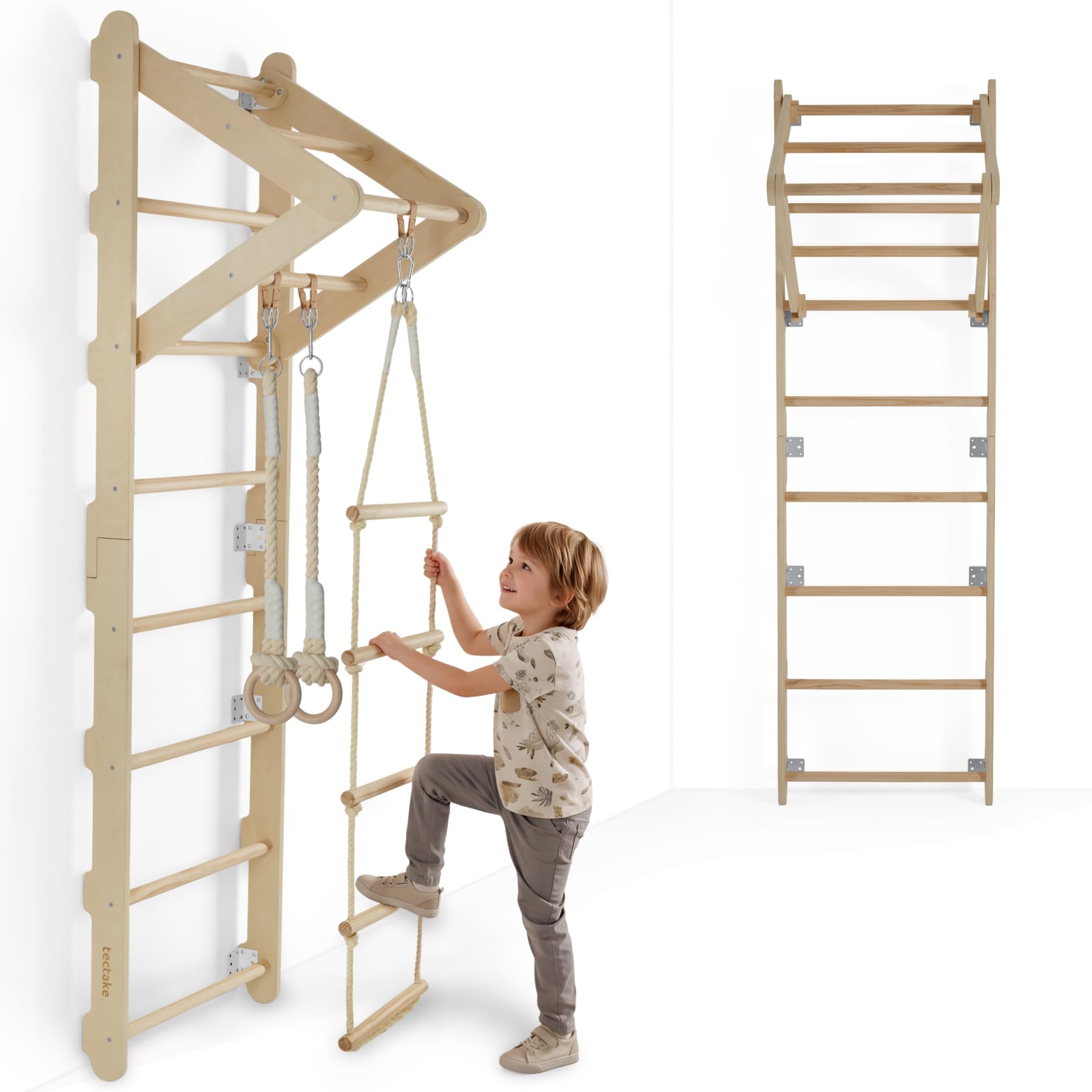
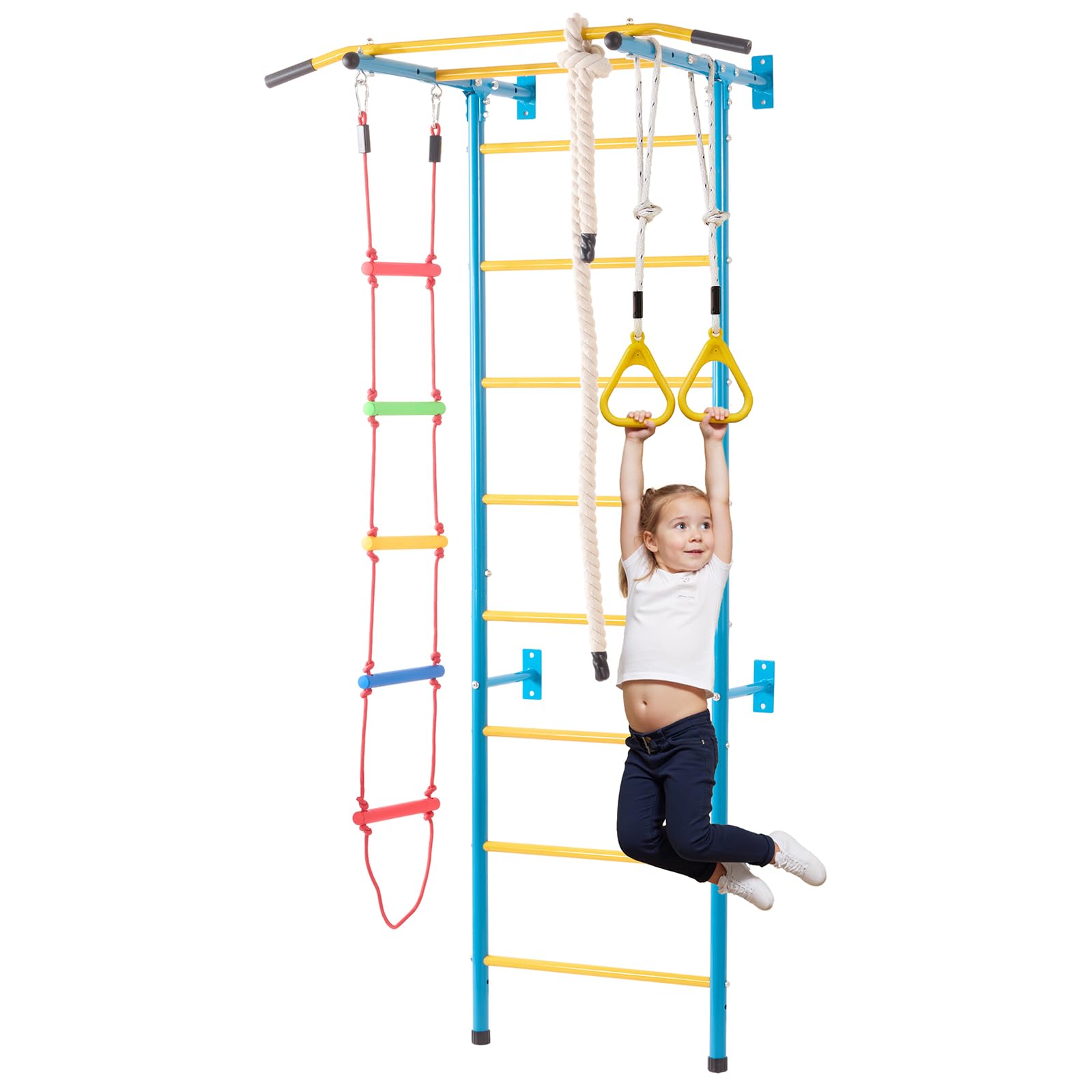

Automatically translated from the German original.
Children's climbing wall
Quick and easy – the climbing wall for children
Climbing walls are not only a challenge for adults, children can also find fun and action on them. The climbing wall for children is a great way to train motor skills and balance. It's also a good opportunity for the little ones to really let off some steam.
If you are considering whether you should build a climbing wall for your little ones, then you will find the most important information here.
Advantages of the climbing wall for children
Climbing walls promote children's motor skills and balance. You learn to shift your body weight and hold on to the handles. All of this not only strengthens the muscles, coordination is also improved. It is important for children to exercise regularly and exercise. They can do exactly that on the climbing wall – and have a lot of fun at the same time!
Building the climbing wall for children
Most climbing walls for children are made of plastic or wood. But there are also models that are made of metal or stone. Which material you choose depends primarily on where you want to place the wall. If you want to place them outdoors, plastic is best. The material is robust and weatherproof. However, if you want to build the wall in your apartment, wood is an option - the most important thing here is that it is stable.
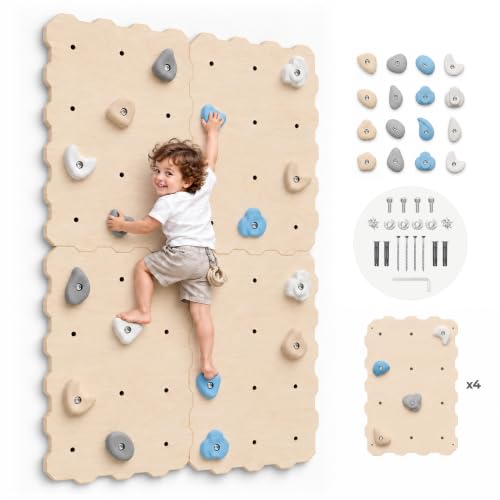
The height of the climbing wall should be chosen so that your children can reach it comfortably - it should be at least 1.50 meters. Width is also important: the wider the wall, the more variety it offers and the more difficult it is to conquer. A width of 1.20 meters is ideal for children aged around six and over.
Safety first!Whether indoors or outdoors, always make sure your climbing wall is completely stable! Make sure that all screws are tightened and check regularly whether everything is still OK. The handles should also be tight and not loose. Ideally, you should use special safety handles made of plastic or metal for your climbing wall. Nothing can happen like that!
How safe is the climbing wall for children?
The climbing wall is a great play equipment for children of all ages. It promotes motor skills and at the same time offers a fun challenge. But how safe is the climbing wall really?
Most climbing walls for children are very safe. They are designed so that children cannot fall down. However, there are a few things you should keep in mind to ensure that the climbing wall is actually safe.
First you should take a close look at the climbing wall. Make sure that all parts are stable and tight. The climbing wall should not have any sharp edges or protruding nails or splinters. The color of the climbing wall is also important. Bright colors make it easier for children to find the handles and know where to climb.
In addition, the climbing wall should have a good safety net. The net is used to protect children from falling and should therefore fit as tightly as possible. Also make sure that the net is checked and cleaned at regular intervals.
Overall, the climbing wall is a very safe play equipment for children. However, if you take a few precautions and pay attention to safety, you can be sure that your children will have a lot of fun on the climbing wall - and also do something for their motor skills! The “safety first” principle also applies to the climbing wall for children. A safe and robust construction is important so that the little ones do not injure themselves while climbing and running around. Most providers of climbing walls for children have already recognized this and offer correspondingly safe products.
Nevertheless, parents should observe a few safety instructions when using the climbing wall. On the one hand, the wall should only be used under supervision so that children cannot climb unsupervised and injure themselves. On the other hand, parents should make sure that their children only climb in places that are really safe. This includes, for example, that the wall is anchored securely in the ceiling or on the wall itself and does not wobble.
Even though most climbing walls are very safe for children, there is still some risk involved in climbing. Parents should therefore always keep an eye on their children when they are playing on the climbing wall.
Guide