Guide
Climbing holds
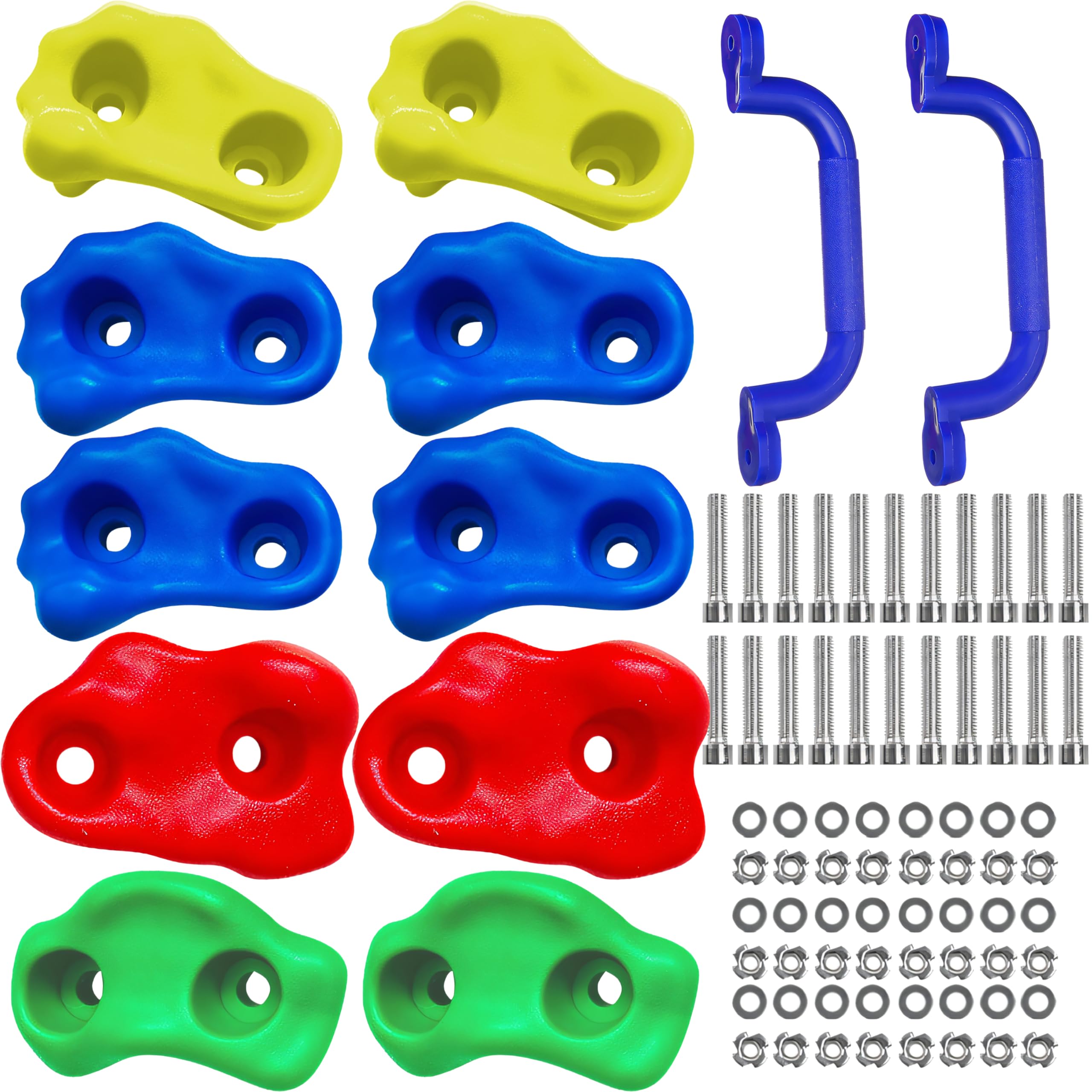
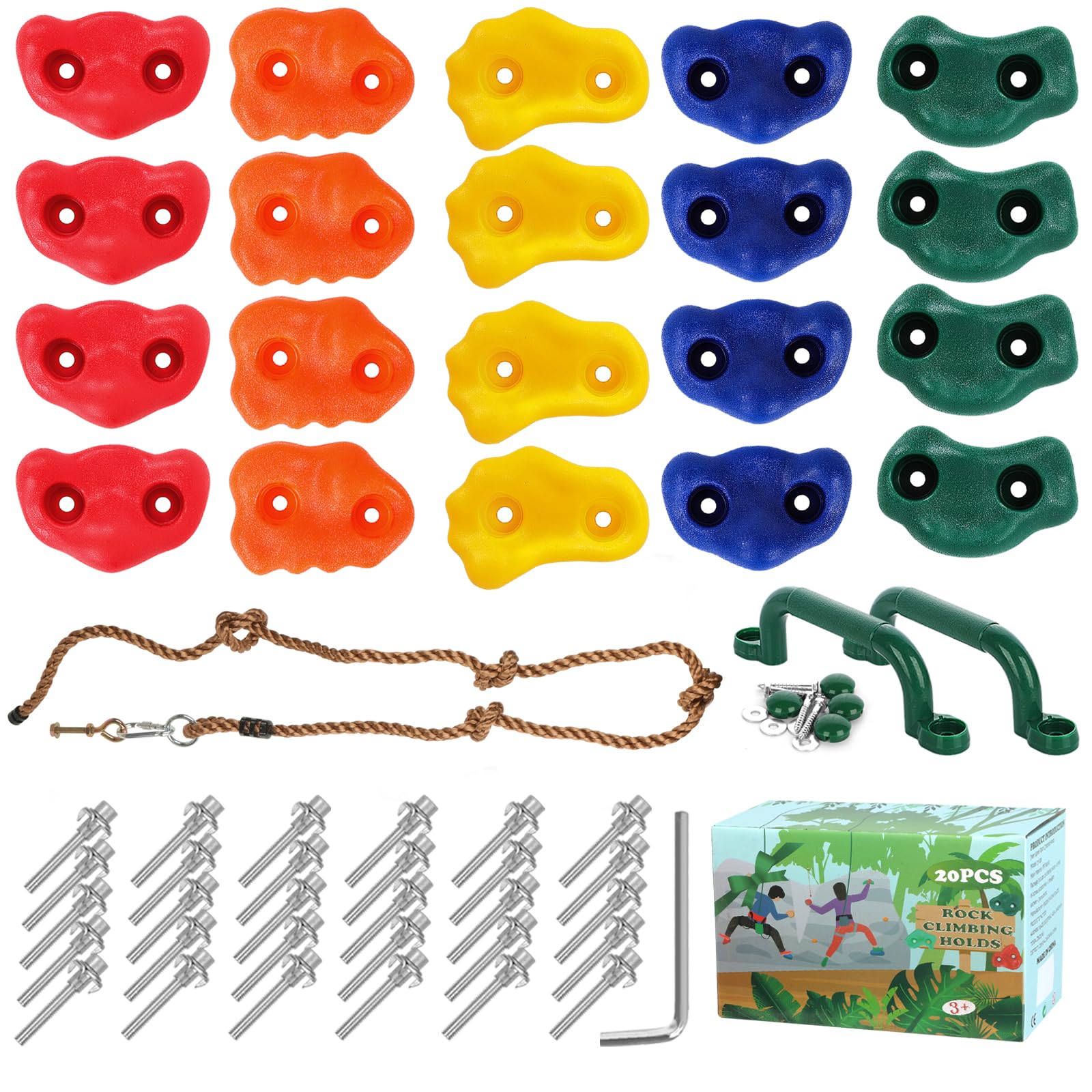
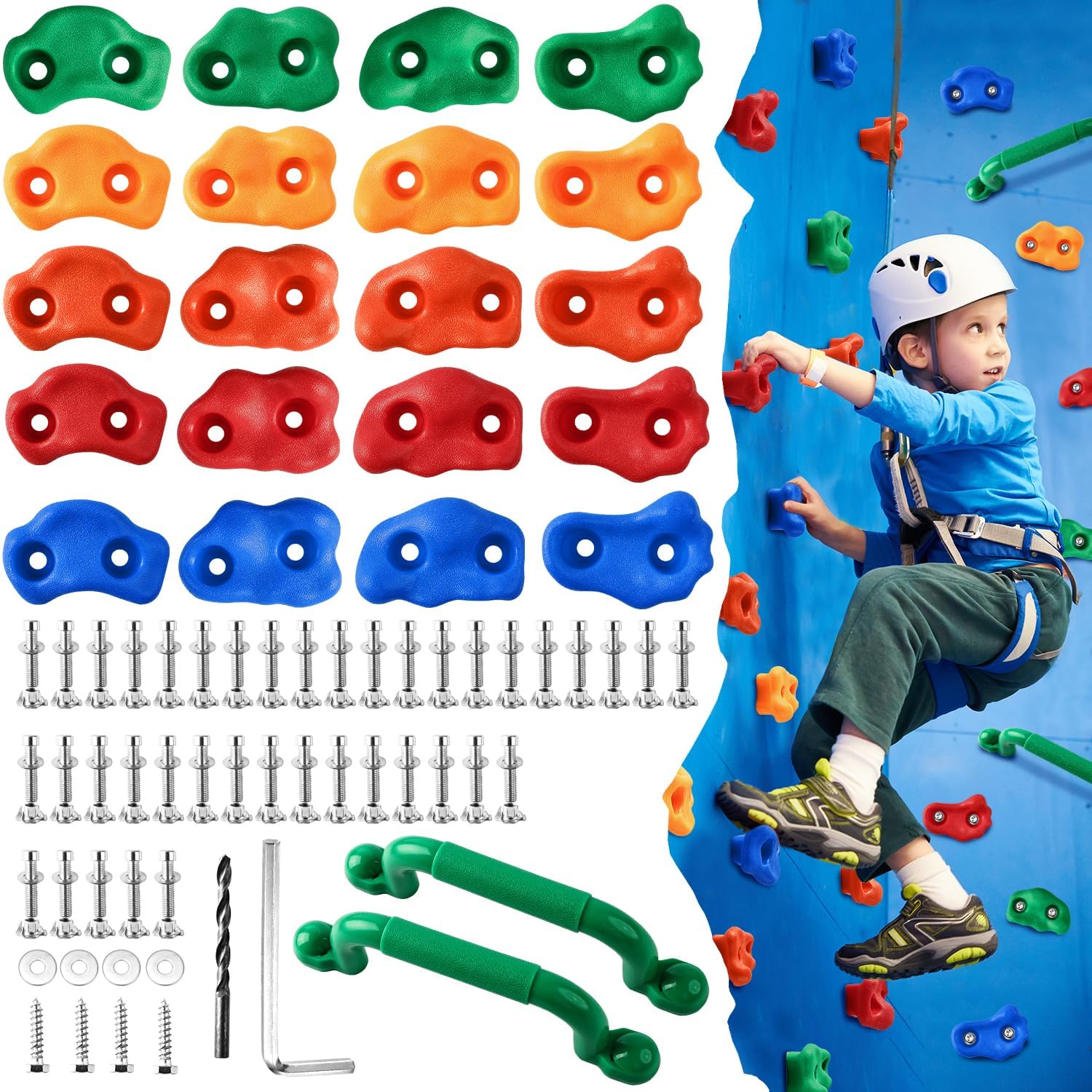
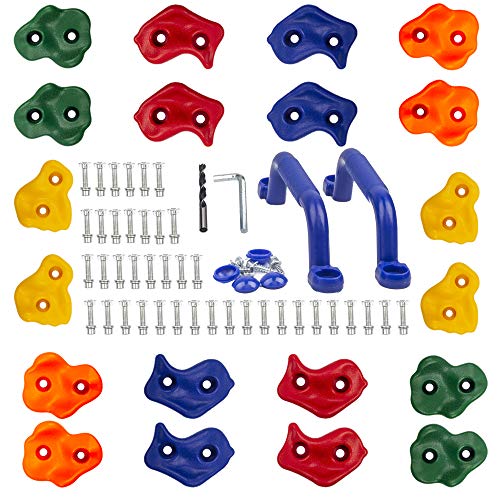
Climbing wall handles Which holds should not be missing on a climbing wall? There are a variety of different climbing wall holds and hooks designed for different climbing styles and techniques. If you decide to build or expand…
Discover matching products ↓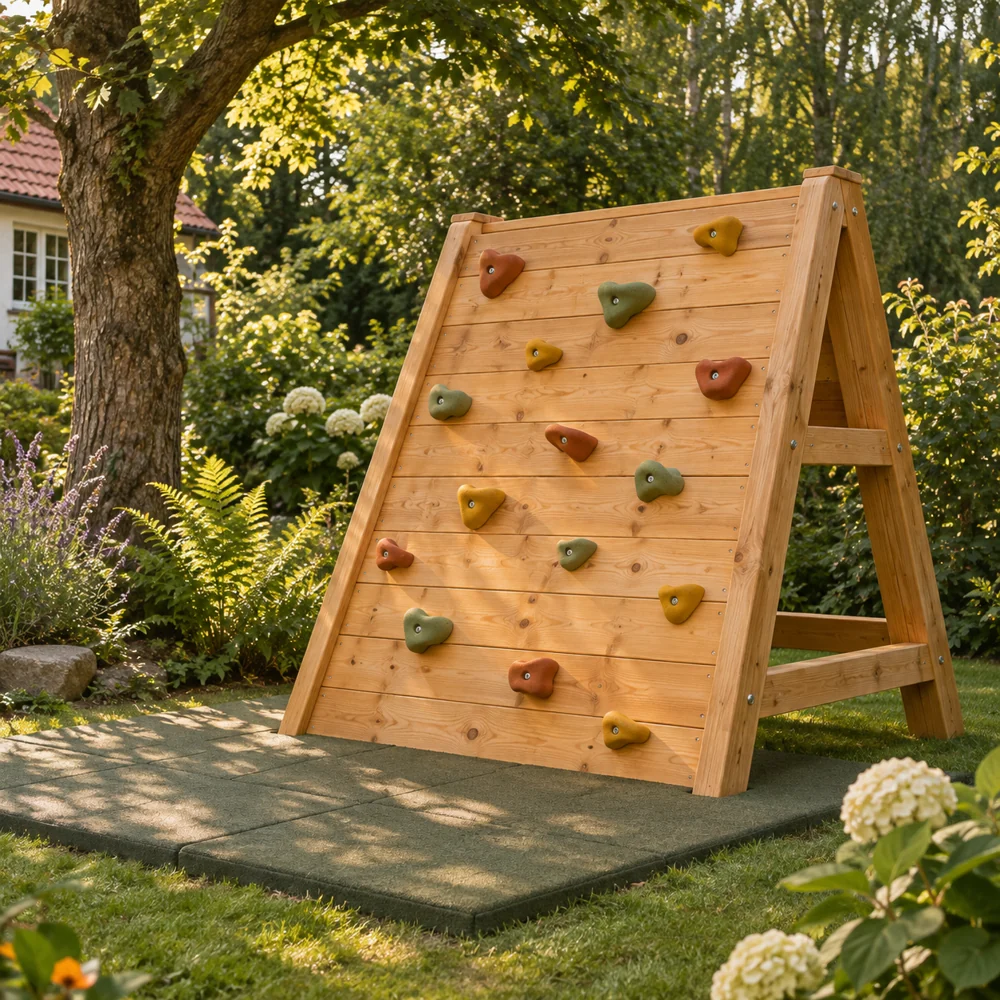
Automatically translated from the German original.
Climbing wall handles
Which holds should not be missing on a climbing wall?
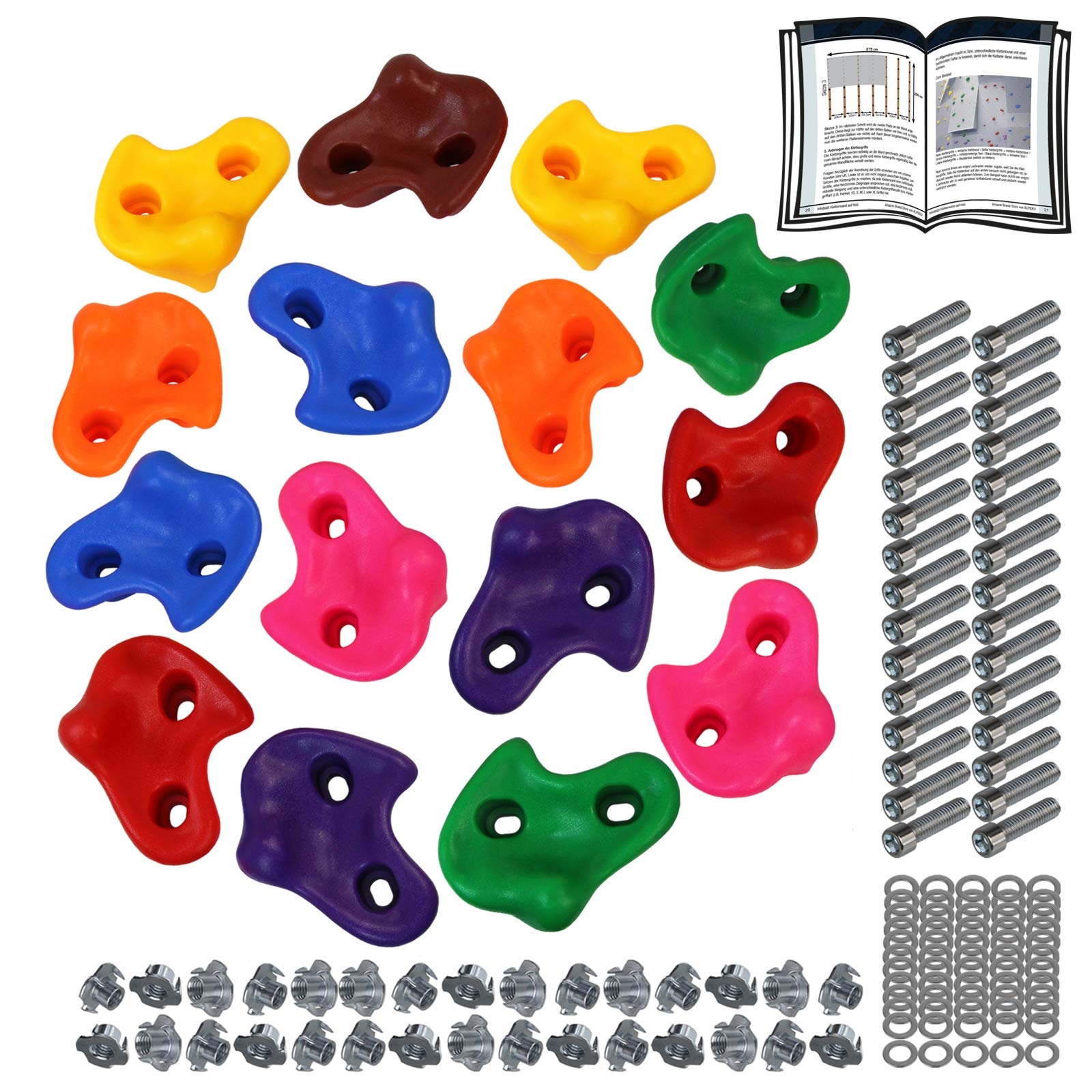
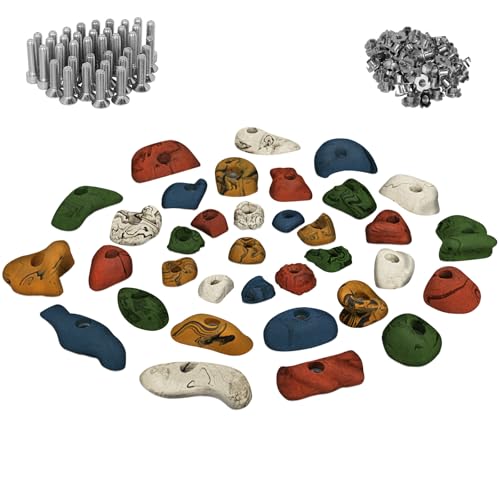
There are a variety of different climbing wall holds and hooks designed for different climbing styles and techniques. If you decide to build or expand your climbing wall, you should first consider which holds you need. Here are some of the most important holds that should not be missing on a climbing wall:
1. Jug Handles: These small handles are ideal for children and beginners as they are easy to reach and hold. Jug grips come in different shapes and colors so you can easily match them to your climbing wall.
2. Crimp Handles: Crimp handles are small, narrow handles that are perfect for small hands. However, they require more strength and technical skill to hold, making them more suitable for advanced climbers.
3. Sloper Grips: Sloper grips are flat, wide grips that are perfect for larger hands. However, these holds require more strength in the fingers and arms to hold, so they are more suitable for advanced climbers.
4. Pinch handles: Pinch handles are small handles that are perfect for smaller hands. However, these holds require more strength in the fingers and arms to hold, so they are more suitable for advanced climbers.
5. Edge handles: Edge handles are wide handles that are perfect for larger hands. However, these holds require more strength in the fingers and arms to hold, so they are more suitable for advanced climbers.
How do you choose the right holds for your climbing wall?
Choosing the right holds for your climbing wall is an important decision you must make before you begin building your climbing wall. The holds are not only important for the appearance of your climbing wall, but they also influence how well you progress while climbing.
So if you're not sure which holds to choose for your climbing wall, then read on. In this article you will learn everything about the different types of climbing holds and what you should pay attention to when choosing one.
The first question you should ask yourself is: What purpose do you want the holds on your climbing wall to serve? Should they just be there for the look of the wall or should they also fulfill a function?
If you choose functional handles, you have the choice between different types of handles. The most common types of functional handles are:
Finger Holds: This type of hold is most commonly found on climbing walls. Finger grips consist of a series of small rings or knobs that you can pinch your fingers on. Finger grips provide good grip and are ideal for beginners.
Bag Handles: Bag handles are similar to finger handles, but they are larger and offer more grip. Bag handles are best suited for advanced or heavy exercise sessions.
Knot Handles: Knot handles consist of a rope or cord knotted in a specific pattern around a metal ring. Knot handles provide good grip and are ideal for exercises with a high level of difficulty.
Magnetic Grips: Magnetic grips have no cavity and consist of two metal plates connected with magnetism. Magnetic handles provide excellent grip and are ideal for high difficulty exercise sessions. There are a number of factors to consider when deciding on the holds on your climbing wall. First you should decide what style of handles you prefer. Do you want realistic holds to help you improve your climbing technique? Or do you prefer more unusual handles that are intended more for aesthetics than functionality?
Another important factor is the size of the handles. The larger the handles, the easier it is to reach and grab them. However, larger handles can also be more uncomfortable and cause you to tire more quickly. Smaller holds require more body control and skill, but can also be more fun.
Finally, you should also consider how many people will be climbing the climbing wall at the same time. When only one person will be climbing, one can focus more on aesthetics than functionality. However, if several people will be climbing at the same time, it is important that the holds are functional and not just good looking.
If you choose the right holds for your climbing wall, you can be sure that you will have a lot of fun with your climbing wall!
How do you correctly attach climbing wall holds to the wall?
If you have chosen climbing wall holds to complement your climbing wall, it is important to install them correctly. Here are a few tips to help you attach your handles correctly:
1. First you should decide where exactly you want to attach the handles. Remember that you need to place the holds so that they are within reach of all climbers. It is also important that the holds are not too far apart so that climbers can easily move from one to the other.
2. Once you know where you want to put the handles, mark those locations on the wall. To do this, you can simply use a pencil or a marker.
3. Next you need to drill the holes for attaching the handles. To do this, you will need a hammer drill and the correct size drill bit for the diameter of the screws that come with the handles. Always drill only as deep into the wall as the handle manufacturer's instructions specify.
4. After drilling the holes, you can insert the screws into the holes and tighten them with the nuts. Be careful not to overtighten the screws, otherwise they risk breaking.
5. Finally, all you have to do is insert the handles into the screws and your new climbing wall is ready!
Tips for training on the climbing wall with different holds
Whether you are a beginner or an experienced climber, training on the climbing wall with different holds is a great way to improve your skills. Learning about the different holds and understanding how to use them correctly will help you improve your climbing style and overcome new challenges. Here are some tips that will help you train on the climbing wall with different grips:
1. Choose the right grips for your level.
If you don't have much experience, you should concentrate on the simple holds. These are easier to learn and require less strength and endurance. Once you've mastered the basics, you can move on to the more difficult holds. Make sure you only go as far as your abilities and skills allow - otherwise you risk injury.
2. Practice regularly.
To train effectively, you should practice regularly. If you train sporadically, you won't make progress and may even be more likely to fall behind. Find out how often you need to exercise to see progress - but don't overdo it or you risk injury or fatigue. Once or twice a week should be enough.
3. Take breaks.
Especially at the beginning, training on the climbing wall will be very strenuous and you will quickly get tired. It is therefore important to take frequent breaks to rest and recover. Feel free to take breaks more often than usual - otherwise you risk injury or exhaustion.
Guide