Guide
Climbing walls for home
Climbing wall for home The best climbing walls for home Climbing walls are a great way to improve your strength and conditioning training. They allow you to practice on different holds and rungs and perfect your climbing…
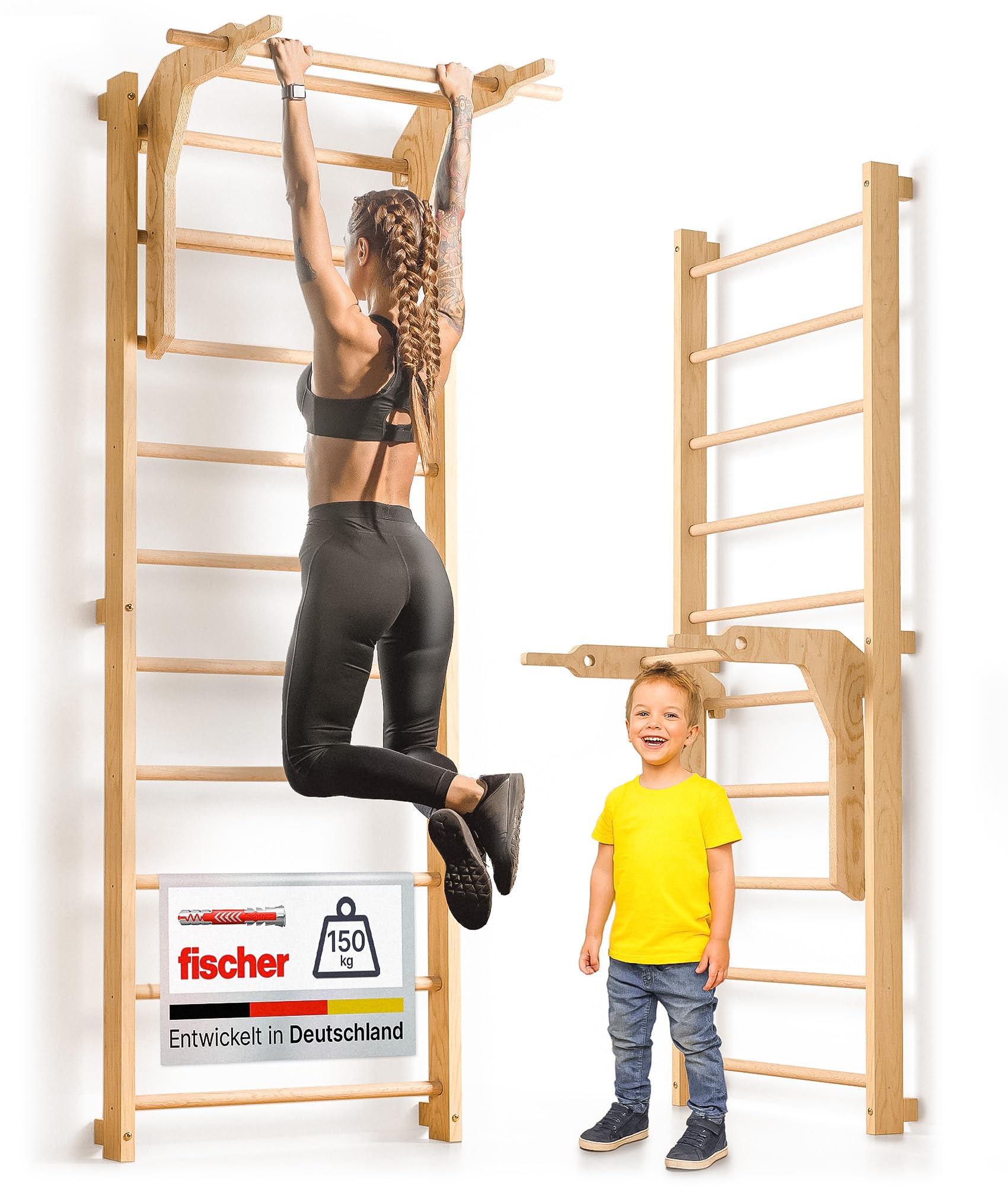
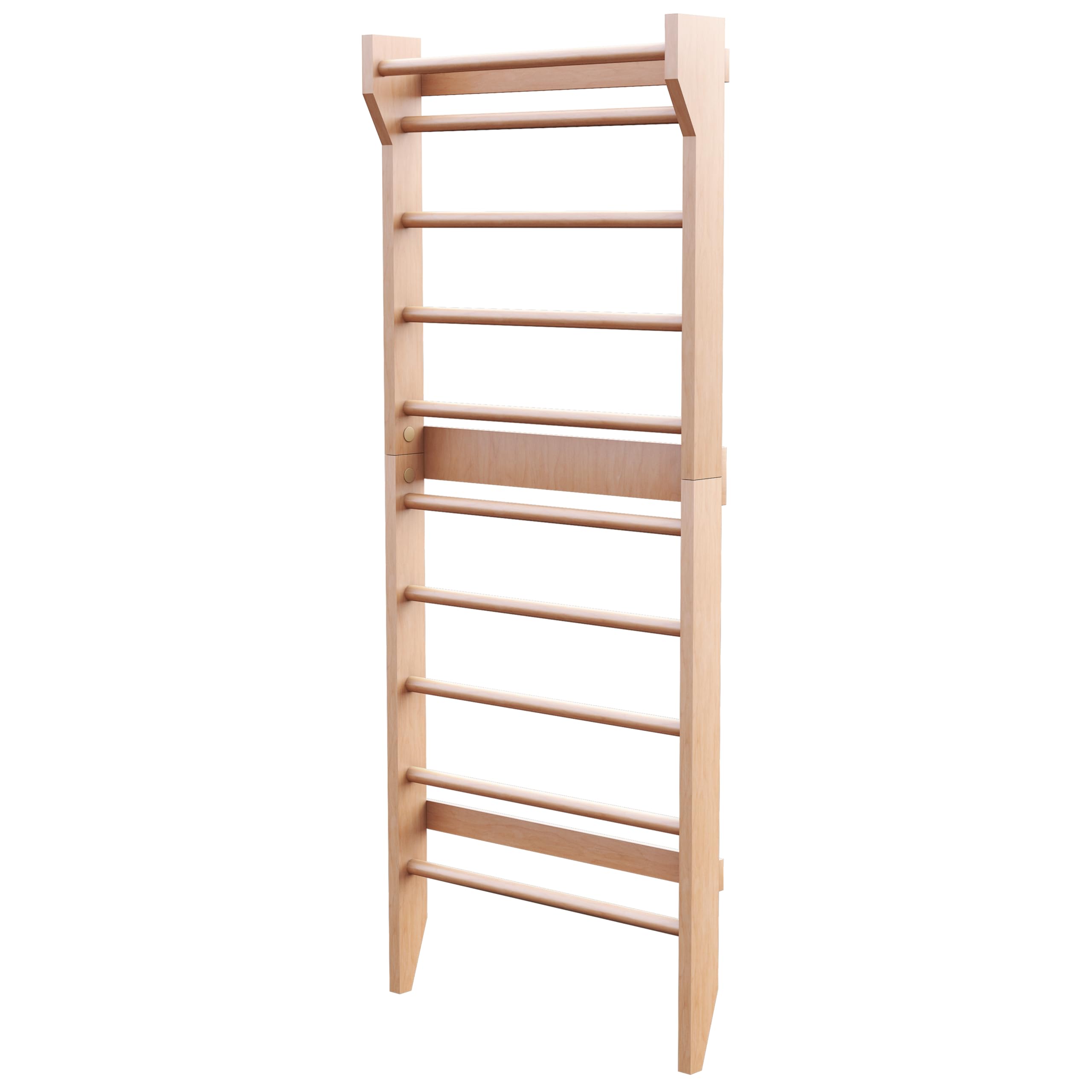
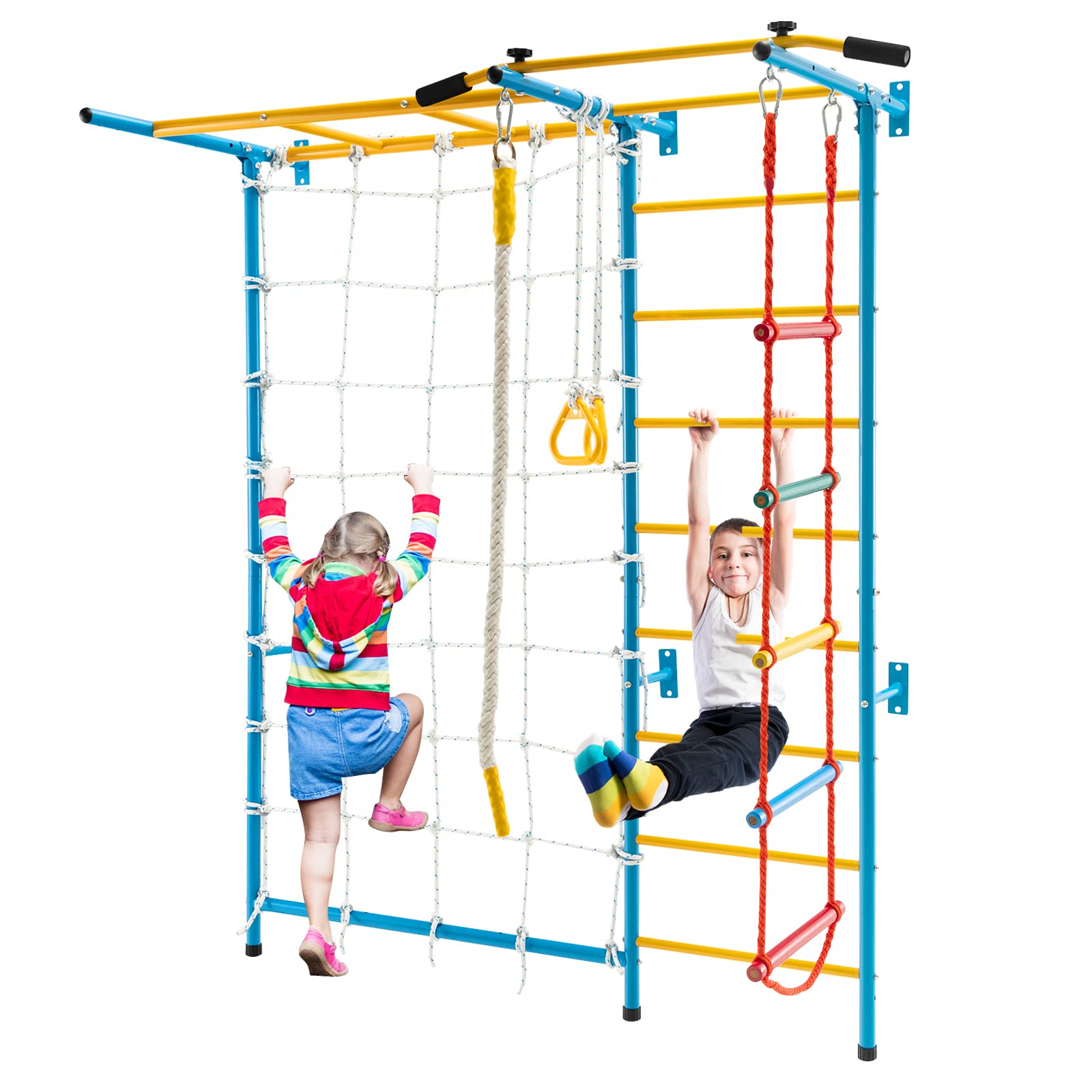
Discover matching products ↓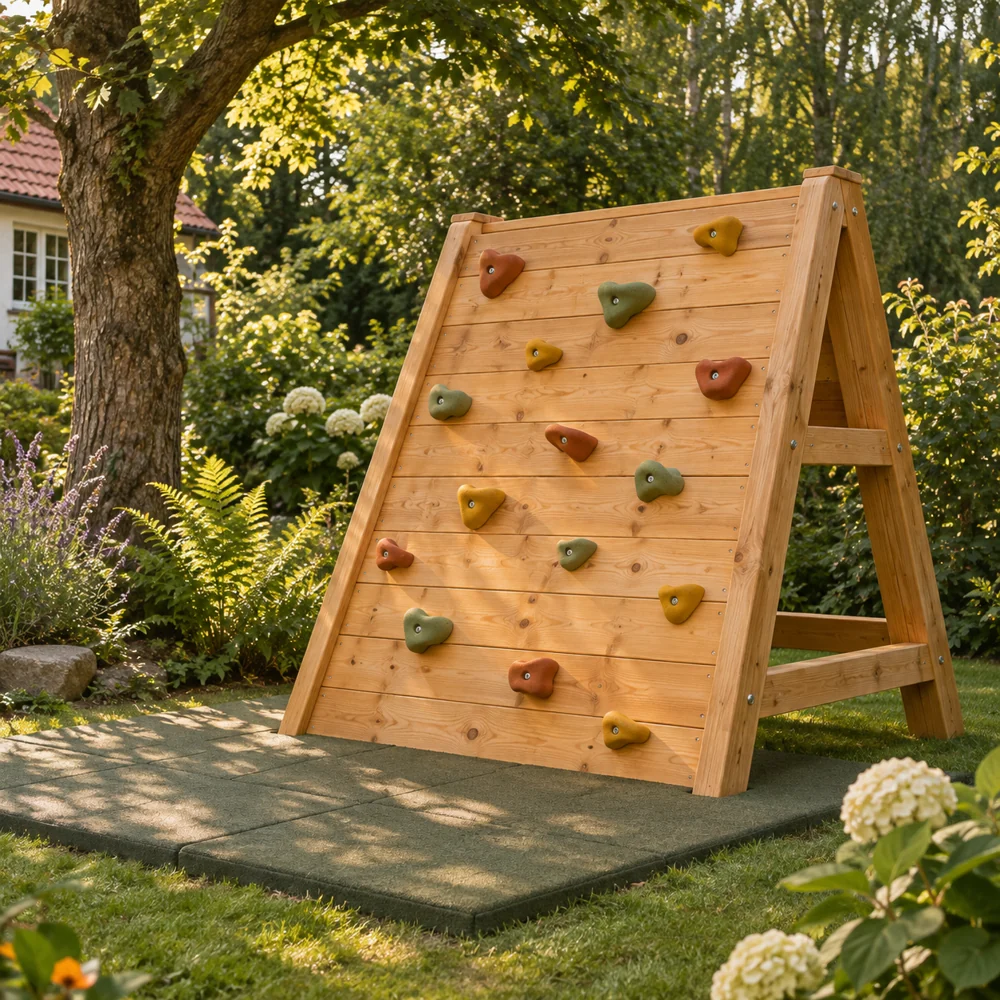

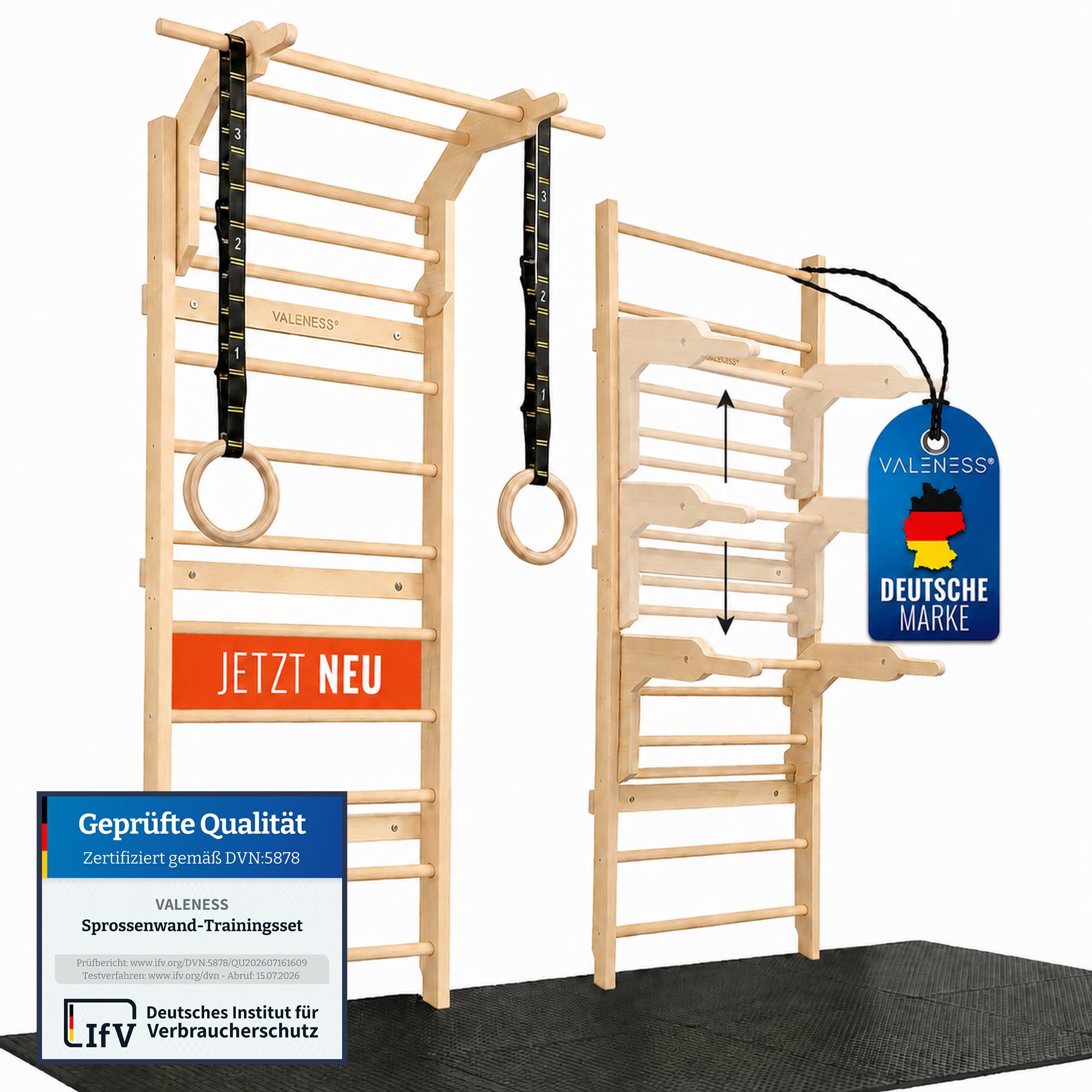

Automatically translated from the German original.
Climbing wall for home
The best climbing walls for home
Climbing walls are a great way to improve your strength and conditioning training. They allow you to practice on different holds and rungs and perfect your climbing technique. When looking for the best climbing wall for your home, there are a few things you should keep in mind. First of all, it is important that the wall is stable and made of high-quality material. Also make sure that the handles are well positioned and made of non-slip material.
If you go climbing regularly, you know how important it is to have the right equipment. The right climbing wall can help you improve your technique and endurance. However, there are a few things you should consider when purchasing a climbing wall. In this article we will give you some tips to help you find the best climbing wall for your home.
The first question you should ask yourself is whether you want a freestanding or a wall mounted climbing wall. Freestanding walls are typically more expensive, but also offer more installation flexibility. Wall-mounted walls are typically cheaper and easier to build, but offer less installation flexibility. Both options have their advantages and disadvantages, so you need to decide which one is best for you.
Another question you should ask yourself is the size of the climbing wall. Most of the walls are between 4 and 8 meters high. However, if you only want to climb occasionally, a smaller wall may be sufficient. However, if you plan to climb regularly or compete, you may want to consider purchasing a larger wall.
Another factor when choosing the right climbing wall is the material. Most walls are made of either plastic or wood. Plastic is typically lighter and cheaper than wood, but offers less durability. Wood is generally more expensive than plastic, but offers more durability and stability. Both materials have their advantages and disadvantages; So decide for yourself which one is best for you.
Tips and tricks for installing a climbing wall
1. Before you begin installing your climbing wall, there are a few considerations you should make. First of all, you need to decide where you want to place your climbing wall. Most people set up their climbing walls in their garages or in a dedicated room. However, if you don't have enough space, you can also set up your climbing wall outdoors.
2. Once you have decided where you want to put your climbing wall, you need to take some precautions. First of all, you need to make sure that the wall you want to attach your climbing wall to is strong enough to support the weight of the climbing wall. You should also make sure that there are no obstacles that could block your climbing wall.
3. Once you have everything prepared, you can start installing your climbing wall. First of all, you should read and understand the instructions carefully before you start working. This way you can be sure that you are doing everything right and not making any mistakes.
4. After reading and understanding the instructions, you can start building the climbing wall. First of all, you should assemble all the parts and attach them to the wall. Then you should make sure that all screws and nuts are tightened so that nothing is loose.
5. After the climbing wall is attached to the wall, you can start adjusting the ropes. To do this, you should first find out how high the climbing wall should be. Then you should attach the ropes in the right places and make sure they are tight.
6. When the ropes are attached in the right place, you can start testing the climbing wall. First of all, you should make sure that the climbing wall is stable and does not wobble. Then you should test whether the ropes are tightened enough and whether they are tear-resistant. If everything is OK, you can use the climbing wall.
What materials are best for a climbing wall?
Choosing the right materials for your climbing wall is just as important as choosing the right design. You need to make sure that the materials your climbing wall is made of are strong enough to support your weight and that they are non-porous so that they don't get splinters or cracks. Some of the best materials for climbing walls include:
-Pine wood: Pine wood is a very strong and durable wood that is perfect for making climbing walls. It is also relatively inexpensive compared to other types of wood.
-Birch wood: Birch wood is also very strong and durable, making it ideal for making climbing walls. However, it is slightly more expensive than pine wood.
-MDF (Medium Density Fiberboard): MDF is a high quality fiberboard material that is very strong and durable. However, it is also very expensive compared to other types of wood.
Guide